Destin Condo vs House: Finding Your Ideal Fit
April 2, 2026
April 2, 2026
Trying to choose between a condo and a house in Destin? You are not alone. In ZIP code 32541, that decision often comes down to more than square footage or beach access. You also need to think about flood exposure, hurricane insurance, monthly dues, rental rules, and how much responsibility you want to carry yourself. This guide will help you compare both options in a practical way so you can make a more confident move in Destin. Let’s dive in.
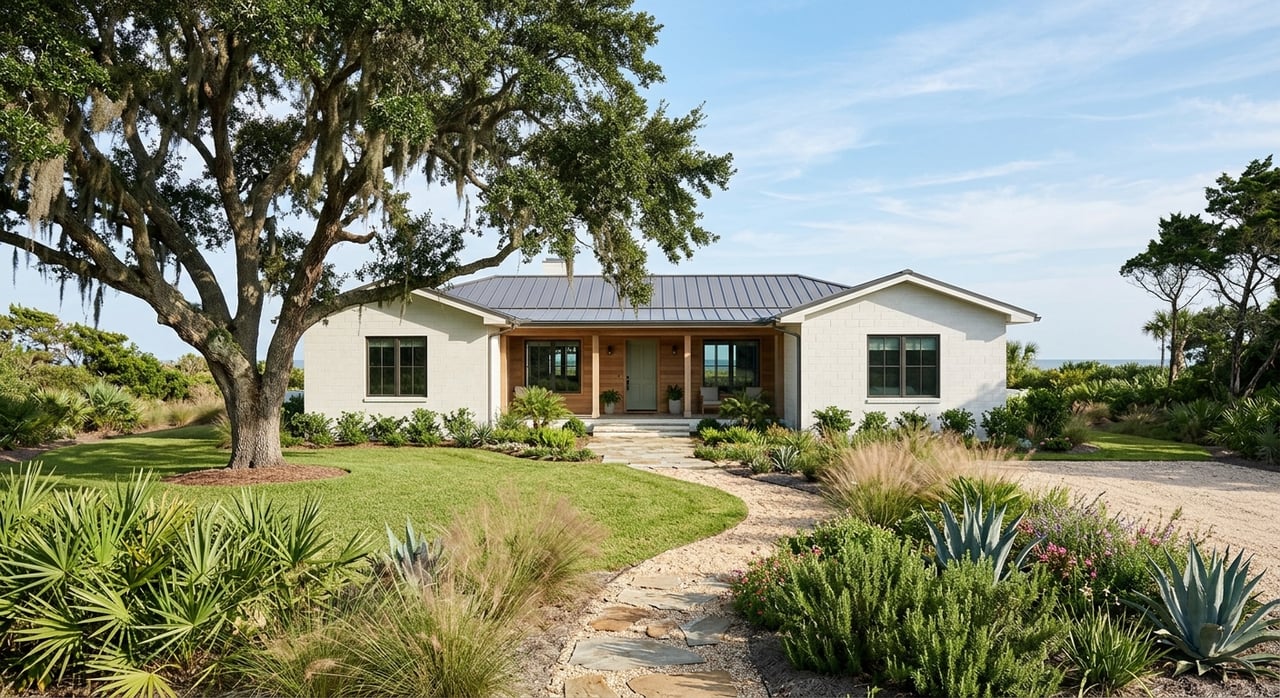
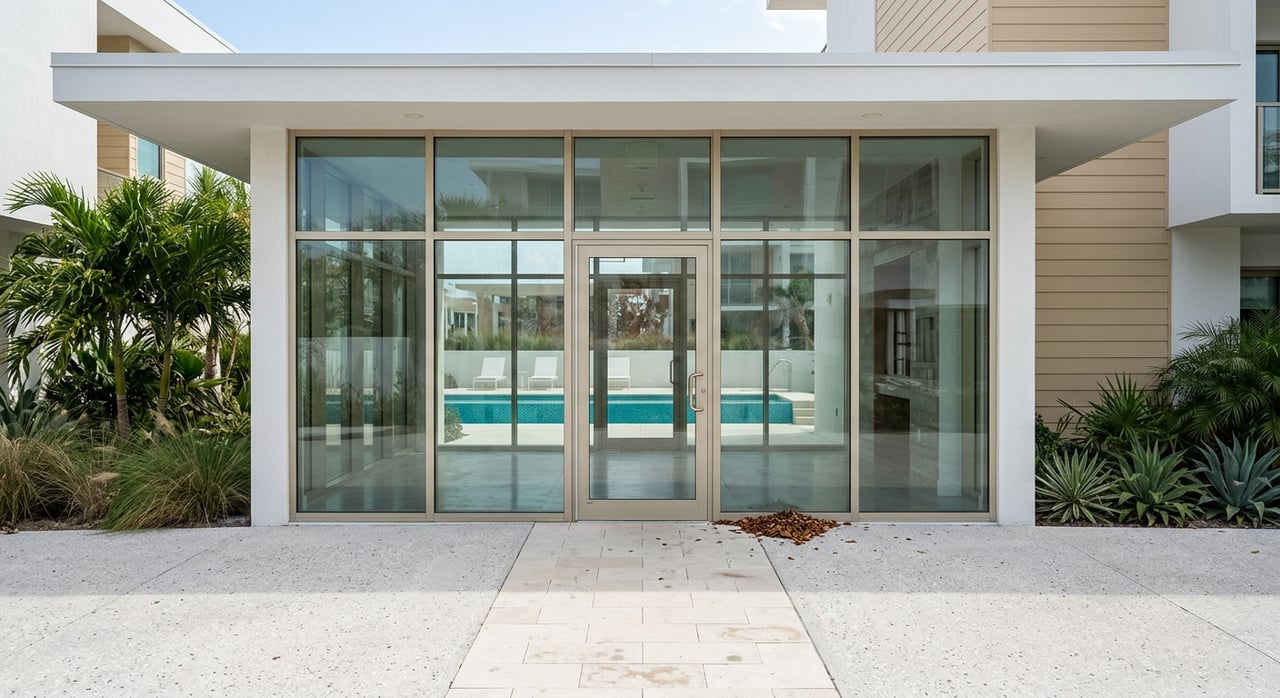
The right fit usually starts with how you plan to use the property. If you want lower day-to-day upkeep and a more lock-and-leave setup, a condo may feel like the simpler choice. If you want more control over the property, more privacy, and more freedom to make changes, a house may be the better match.
In Destin, that lifestyle question matters even more because coastal ownership comes with extra layers. Insurance, maintenance, and rental restrictions can affect your budget and your flexibility long after closing. That is why it helps to look beyond the listing photos and focus on how the property will function for you.
Under Florida condominium law, the condo association is generally responsible for maintaining, repairing, and replacing common elements, except for limited common elements assigned to the unit owner by the declaration. That can reduce the amount of exterior upkeep you handle directly.
For many buyers, that shared model is a major benefit. You may not be the one arranging roof work, exterior repairs, or common-area maintenance. But shared responsibility also means shared costs, and repairs may be funded through reserves or special assessments.
With a house, you usually take on more direct responsibility for the property. The Consumer Financial Protection Bureau recommends budgeting for maintenance, repairs, utilities, and emergency savings in addition to your mortgage-related costs.
That extra responsibility can be a positive if you want more autonomy. You may have more freedom to update the home, manage repairs on your timeline, and make decisions without association approval. The tradeoff is that the planning and cost burden usually falls more directly on you.
In a coastal market like Destin, flood risk should be part of your decision from day one. Standard homeowners insurance generally does not cover flood damage, and Florida's storm guidance notes that flood insurance is required in a Special Flood Hazard Area if you have a federally backed mortgage.
The City of Destin flood insurance page also notes that the city participates in the National Flood Insurance Program and has a CRS Class 6 rating, which can provide up to a 20% discount on standard flood policies. That can help, but flood insurance is still a cost you should price out before you commit.
If you buy a condo, you will usually need an HO-6 policy in addition to the association’s master policy. Florida’s Homeowners Insurance Consumer Toolkit explains that an HO-6 policy typically covers your personal property, liability, and certain interior building items that may not be covered by the master policy.
That matters because the master policy can exclude items such as floor coverings, wall coverings, ceiling coverings, appliances, built-in cabinets, and window treatments. Florida law also requires HO-6 policies to include at least $2,000 of loss-assessment coverage, and condo owners may still face deductibles or repair costs if common-area damage is not fully covered under the association’s insurance.
With a house, you generally do not have an association master policy handling major building coverage the way a condo association does. You will likely need to think through homeowners insurance, flood insurance if needed, and the impact of hurricane deductibles on your out-of-pocket risk.
According to Florida DFS storm resources, many policies have a larger deductible for hurricane damage than for other types of claims. That is true whether you are buying a house or a condo, but house buyers often carry more of the full property insurance planning themselves.
A condo’s purchase price does not tell the full story. The CFPB says condo and HOA dues can range from a few hundred dollars to more than $1,000 per month, and buyers need to factor those dues into affordability.
That monthly fee may cover some maintenance and shared amenities, but it can still materially affect your payment. In some cases, a condo with a lower list price can feel less affordable once dues, insurance gaps, and assessment risk are added to the picture.
A house may come with no association dues or only limited HOA dues, but that does not mean it is automatically cheaper to own. The CFPB affordability guidance says your full monthly housing cost should include principal, interest, taxes, mortgage insurance, homeowners insurance, flood insurance, HOA fees, maintenance, and utilities.
That is why it helps to compare a condo and a house using total monthly ownership cost, not just the asking price. In Destin, insurance and maintenance planning can make a significant difference.
If you plan to live in the property as your primary residence, Florida’s homestead exemption rules may reduce taxable value by as much as $50,000. After the first year, Save Our Homes can also cap annual assessed-value increases at the lower of 3% or CPI.
That said, your tax treatment can change if the property is used as a rental. The Okaloosa County Property Appraiser states that renting all or substantially all of a homesteaded dwelling is treated as abandonment for homestead purposes, and if only part is rented, only the owner-occupied portion remains eligible. That makes your intended use especially important when weighing a primary home against a vacation or investment property.
In Destin, a property near the beach is not automatically a good short-term rental candidate. The city’s short-term rental registration guide says properties rented for fewer than 180 days must register as short-term rentals, and condominiums follow a different registration path than single-family homes, duplexes, and townhomes.
The same guide also explains that only certain zoning districts allow short-term rentals, and some properties may require a conditional use approval or a change of use. For single-family short-term rentals, site-plan and parking-plan documentation may also be required.
If you are buying for part-time use or investment, you need to verify more than city registration. Association rules can limit rental frequency, rental length, or owner use. On top of that, Fannie Mae project eligibility guidance notes that condo projects with hotel-style or daily or short-term rental operations may be ineligible for Fannie Mae-backed financing.
That can affect both your financing options and future resale appeal. A condo may offer easy upkeep, but if the project has financing issues or rental restrictions that do not fit your goals, a house may be the stronger long-term fit.
A condo may be a better fit if you:
A house may be a better fit if you:
Before you choose a condo or a house in Destin, it helps to confirm a few key details early. This can save you time, reduce surprises, and keep your search focused on properties that truly fit your plan.
Here are the big items to verify:
In Destin, the condo-versus-house decision is rarely just about price. It is about how you want to live, what level of risk and responsibility feels comfortable, and whether the property supports your goals as a primary residence, second home, or investment.
A condo can offer convenience and a lower-maintenance lifestyle, but you need to understand dues, insurance layers, and association rules. A house can offer flexibility and control, but you should be ready for more direct upkeep, insurance planning, and budgeting. If you want help sorting through those tradeoffs in a clear, low-stress way, Tamela Leann Hayes can help you compare your options across Destin and the Emerald Coast.
Stay up to date on the latest real estate trends.
I would love to help you reach your real estate goals. Contact me today to start living your best life, investing in yourself!