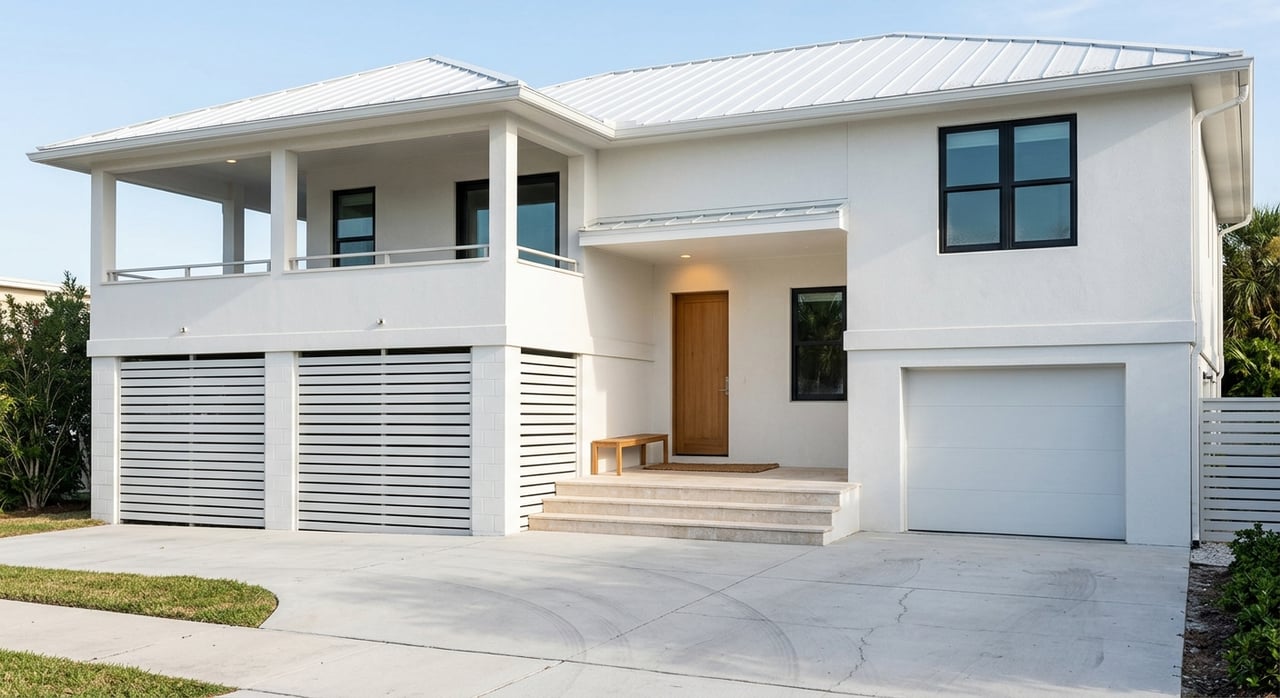
Destin Short Term Rental Tips for Confident Buyers
April 16, 2026
April 16, 2026
If you are thinking about buying in Destin with short-term rentals in mind, it helps to look beyond the view. A property can feel perfect for guests, but the real test is whether the location, layout, parking, and local rules all support your goals. When you understand those pieces early, you can shop with more confidence and avoid expensive surprises later. Let’s dive in.
Destin 32541 has a clear visitor appeal built around beaches, water access, and family-friendly outings. Official local and tourism resources highlight attractions like beach parks, kayak launches, docks, snorkeling spots, fishing, cruises, restaurants, and live entertainment. Places such as Captain Leonard Destin Park and HarborWalk Village help show what many visitors come here to enjoy.
That matters when you buy. In a tourism-driven market like Destin, guests often care just as much about convenience and experience as they do about updated finishes inside the property.
If you plan to rent a property on a short-term basis, think like a guest before you think like an owner. Many visitors are coming for beach time, boating, snorkeling, fishing, and easy access to waterfront activities. The local tourism site highlights experiences like snorkeling and water adventures in Destin-Fort Walton Beach, which can shape what renters expect from their stay.
In practical terms, buyers should pay close attention to features that make a trip easier. That usually includes:
Parking deserves special attention. The city notes that parking at Captain Leonard Destin Park is limited, which is a good reminder that access and convenience can affect the guest experience in a very real way.
A strong short-term rental purchase is usually about fit, not just popularity. In Destin, that means looking at how close a property is to the beach, harbor activities, restaurants, and water-based recreation, while also checking whether guests can park easily and move around without hassle.
Areas near attractions and waterfront activity may feel more appealing to visitors, but the best choice for you depends on how the property functions day to day. A condo near activity centers may offer convenience, while a house may offer more room for parking and storage. The key is to match the property’s setup with the type of stay guests are likely to book.
Before you fall in love with a property, confirm whether it can legally operate as a short-term rental. This is one of the most important steps in the process.
Under Florida law, vacation rentals are broadly defined. The state explains that an entire unit generally needs a lodging license if it is rented more than three times in a calendar year for periods of less than 30 days, or if it is advertised or held out as regularly rented. You can review that framework in the Florida Statutes and DBPR guidance.
Destin also has its own local process. According to the city’s 2026 short-term rental registration guide, any property rented for less than 180 days must register as a short-term rental. The guide also states that only certain zoning districts are eligible, and some properties may need Conditional Use approval or a Change of Use review before registration can move forward.
You should never assume a property can be used as a short-term rental just because other nearby properties are rented that way. The city’s short-term rental FAQ makes clear that eligibility depends on the specific zoning district and parcel details.
Before you make an offer, confirm:
This kind of up-front checking can save you from buying a property that does not match your investment plan.
Destin’s process is detailed, so buyers should understand the paperwork before closing. The city’s registration guide says required items may include proof of ownership, a notarized agent affidavit if someone other than the owner applies, a scaled site plan, a parking plan, the correct city Business Tax Receipt, and the appropriate state lodging license. The guide also notes that condominiums follow a separate application path from dwellings.
The city also explains that registration is annual, begins January 1, and is not transferable when ownership or management changes. That means a seller’s registration does not simply carry over to you after closing.
A property may look appealing on paper, but the ownership math needs to be realistic. In Destin and Okaloosa County, short-term rental taxes and local fees should be part of your budget from the start.
According to the Florida Department of Revenue transient rental tax guidance, rentals of six months or less are subject to 6% state sales tax, any applicable discretionary sales surtax, and any local transient rental tax. The research provided for this article notes that Okaloosa County’s discretionary sales surtax is 1% and the local transient rental tax is 6%.
At the city level, Destin requires a Business Tax Receipt for operating a business in the city. The short-term rental guide ties the application process to the city Business Tax Receipt, the state lodging license, and the Florida Department of Revenue resale certificate.
The city’s FAQ lists the current short-term rental registration fees as:
These registrations renew every year. The city also states that a $100 late fee begins after March 31, and a $500 late fee applies after June 1, as outlined in the city FAQ.
In Destin, operating details are not minor details. They can affect whether a property works well as a short-term rental at all.
The city’s registration guide requires one parking space per bedroom unless the house was built before December 5, 2016, in which case two total spaces are required. The guide also says parking may not block sidewalks or the right-of-way. If a property has strong rental appeal but weak parking, that could create compliance issues and a poor guest experience.
Occupancy rules also matter. The city states that overnight occupancy is two adults per bedroom plus four additional persons per property, with an overall cap of 24 overnight guests. You can review those details in the 2026 STR registration guide.
Signage is another requirement buyers often overlook. The city FAQ says the sign must be 18 by 18 inches and include the management company name and phone number, an emergency contact if different, the occupancy limit, and the number of parking spaces. The city also requires the sign to be posted within seven days after registration.
City approval is only one layer. If you are buying in a condominium or a community with an HOA, review those governing documents separately.
Destin’s FAQ notes that city code controls certain signage requirements, but that does not mean every private community rule disappears. Condo and HOA documents can still affect how the property is used and managed, so it is smart to review those restrictions carefully during your due diligence period.
Short-term rental ownership is not just about booking guests. It also means following local operating rules consistently.
The city says uncorrected violations can lead to administrative fees and fines of up to $250 per day. Its code compliance guidance specifically references issues like parking, noise, garbage, trespass, and other nuisance concerns, all of which are outlined in the city FAQ.
For buyers, this means the best rental property is not always the one with the most bedrooms or the flashiest upgrades. It is often the one that can be run smoothly, legally, and with fewer friction points.
In a coastal market, flood review deserves the same attention as zoning and licensing. Insurance costs and lender requirements can change quickly based on flood-zone status.
The City of Destin participates in the National Flood Insurance Program and notes that its flood insurance information page includes flood-risk tools and maps. The city also states that its CRS Class 6 rating can provide up to a 20% discount on eligible NFIP policies. FEMA guidance referenced on that page notes that most homeowners insurance does not cover flood damage, and flood insurance may be required in a Special Flood Hazard Area with a federally backed mortgage.
For buyers, the takeaway is simple: review flood-zone status and insurance assumptions before you finalize the deal, not after.
If you are considering a property as a rental or vacation home, do not assume it can be treated like a primary residence for tax purposes. Okaloosa County warns that if the owner is not permanently residing in the dwelling, or the property is a rental, vacation home, or vacant, the owner may be out of compliance with homestead exemption rules.
The county states that this can lead to multiple years of property taxes being owed. You can review that warning through Okaloosa County’s short-term rental information.
If you are narrowing down properties in Destin 32541, here is a practical checklist to use before you make an offer:
Buying with short-term rentals in mind means balancing lifestyle appeal with rules, costs, and operations. It is easy to focus on the fun part, like beach access or harbor views, but the strongest purchase decisions usually come from careful planning and local verification.
That is where a steady, organized process matters. When you have someone helping you check zoning, property fit, and practical ownership costs before you move forward, you can make decisions with a lot more clarity.
If you are exploring Destin properties and want a clear plan for evaluating them, Tamela Leann Hayes can help you sort through the options and focus on what fits your goals best.
Stay up to date on the latest real estate trends.



I would love to help you reach your real estate goals. Contact me today to start living your best life, investing in yourself!