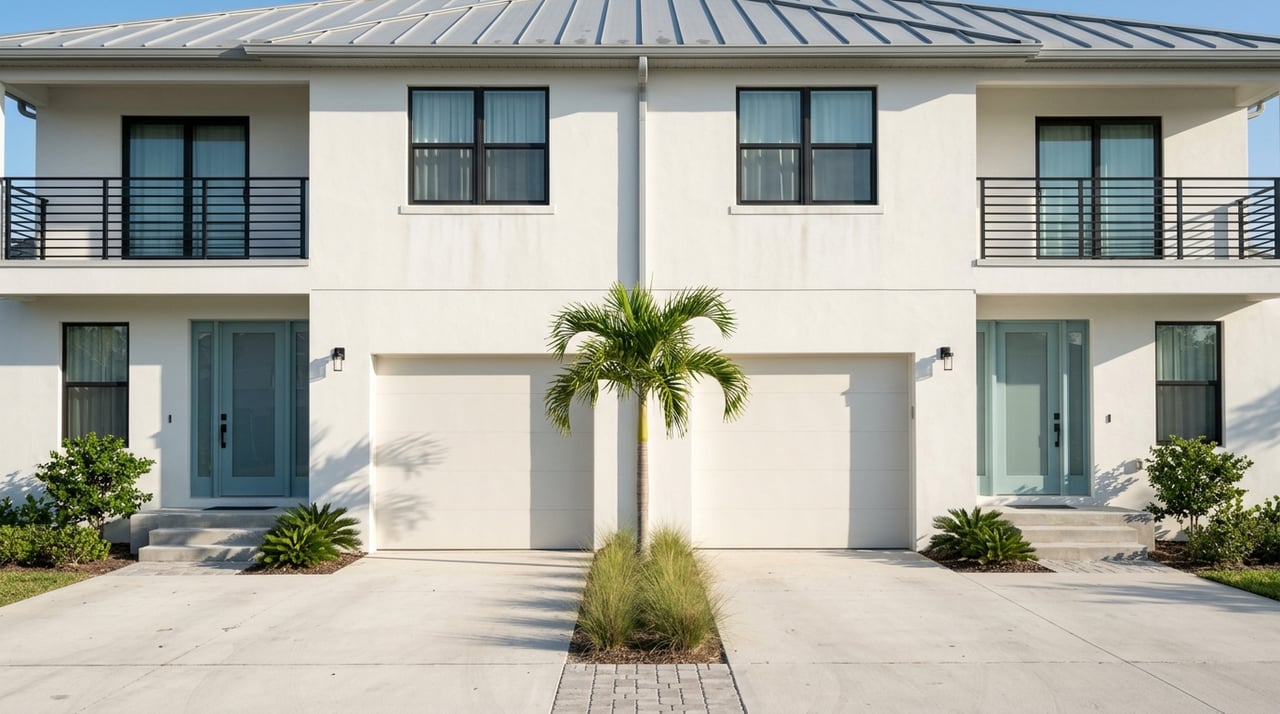
Condo And Townhome Living In Fort Walton Beach
July 23, 2026
July 23, 2026
Wondering whether a condo or townhome is the better fit in Fort Walton Beach? You are not alone. Many buyers love the idea of lower-maintenance living near the coast, but the details can feel confusing fast. In this guide, you will learn how condo and townhome living works in Fort Walton Beach, what makes each option different, and what to look for before you make a move. Let’s dive in.
Fort Walton Beach gives you a mix of coastal access, in-town convenience, and options at several price points. The area is influenced by beach activity, redevelopment, and steady demand from households connected to Eglin Air Force Base, Hurlburt Field, and Duke Field.
Okaloosa Island is a major draw, with beach access and strong visitor traffic. The city also has defined neighborhoods and redevelopment areas, including the Downtown Design Overlay District and the Community Redevelopment Agency area, which supports ongoing development and preservation in key parts of town.
For many buyers, attached housing stands out because it can offer a simpler lifestyle with a strong location. In Fort Walton Beach, that often means three common search patterns: island or coastal properties, downtown or in-town options, and more budget-friendly inland corridors.
If you start browsing active listings, you will notice several streets and pockets come up often. Condo and townhome activity has shown up on Santa Rosa Boulevard, Miracle Strip Parkway, Wright Parkway, Center Street, Greendale Avenue, and Gap Creek Drive.
Those areas can feel very different from one another. Some lean coastal and lifestyle-focused, while others may appeal more if you want easier access to everyday errands, commuting routes, or a lower entry price.
That is why your first decision is usually not just property type. It is often about which part of Fort Walton Beach matches your daily routine, budget, and maintenance comfort level.
In Florida, a condominium is a form of ownership where you own your unit and also hold a share of the common elements. Common elements can include things like building exteriors, shared grounds, hallways, parking areas, or amenities, depending on the community.
Condo associations have legal authority to maintain and repair common elements, assess owners, and enter units when needed for maintenance or to help prevent damage. That structure can be helpful if you want more shared upkeep, but it also means you need to understand the association’s budget, rules, and reserve planning.
A townhome-style property may or may not be legally a condo. In Fort Walton Beach, many townhome-style homes are governed by homeowners association documents instead of condominium documents.
That distinction matters. The label on a listing does not tell you everything, so you need to confirm whether the property is being sold as a condo unit or as an HOA-governed parcel. The governing declaration is what tells the real story.
Two homes can look similar from the street and still come with very different ownership rules. One may place more responsibility on the association, while the other may place more on you as the owner.
Before you fall in love with a floor plan, make sure you know which law governs the property and what documents support that. It is one of the most important steps in comparing attached homes in Florida.
Current listing activity shows a wide spread in both condos and townhomes. That gives you room to compare lifestyle, location, monthly costs, and property condition instead of assuming one category is always cheaper than the other.
Realtor.com currently shows 220 condos and 83 townhomes in Fort Walton Beach. Based on current asking prices, condos range from about $89,900 to about $1.07 million, while townhomes range from about $149,900 to about $1.225 million.
These are asking prices, not closed sales, but they still show how broad the market is. You can find entry-level options, mid-range choices, and higher-end coastal properties in both categories.
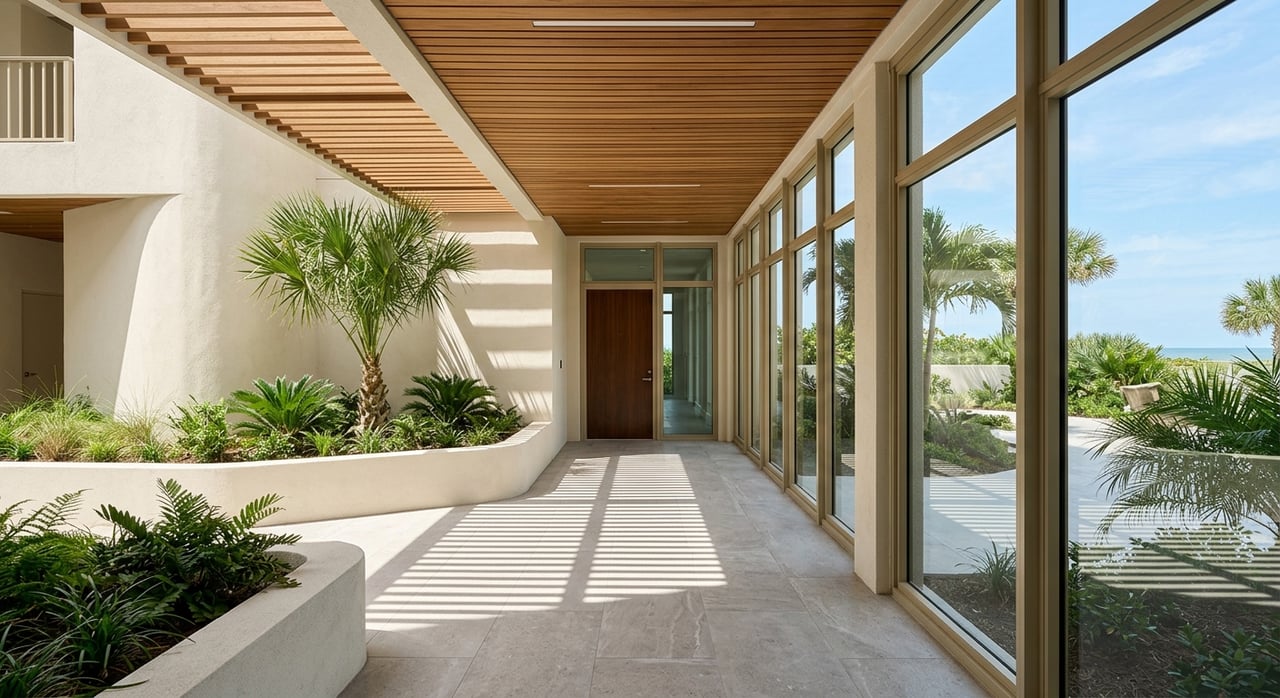
In Fort Walton Beach, condos often concentrate value in location and shared amenities. Depending on the building or community, you may see waterfront positioning, beach access, pools, tennis courts, or other shared features that support a lock-and-leave lifestyle.
That setup can appeal if you want less exterior maintenance on your plate. It can also work well if you are relocating, buying a second home, or simply want a more simplified day-to-day routine.
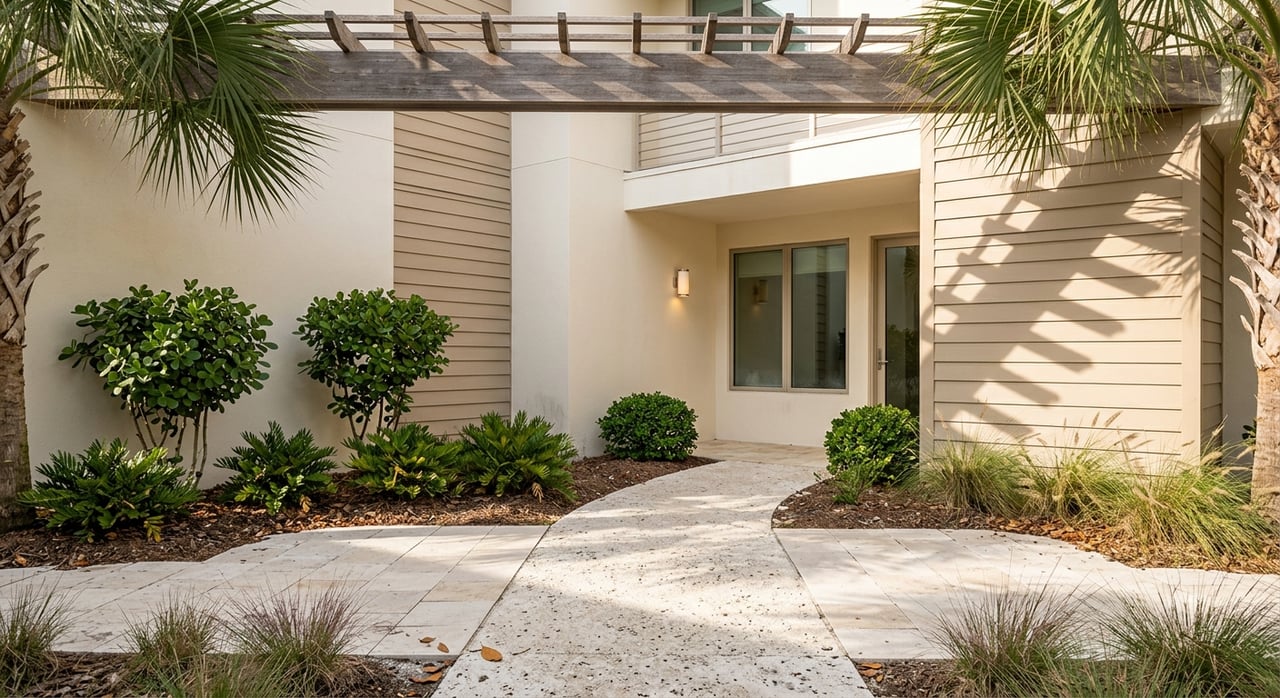
Townhomes often feel a bit more house-like. Current listings show features such as fenced backyards, one-car garages, and layouts that may offer more separation between living spaces.
If you want attached living but still like the feel of your own entrance, a small yard area, or a garage, a townhome may check those boxes. Still, the exact maintenance setup will depend on the governing documents.
Instead of asking which type is better, ask which community gives you the right balance of location, maintenance responsibility, insurance exposure, and monthly carrying cost. That question usually leads to a better decision.
Monthly fees are a major part of the decision. What those fees cover can vary a lot from one community to the next, so you should always ask for a clear breakdown.
In some communities, fees may cover more shared maintenance and amenities. In others, the fee may be lower but your personal maintenance or insurance responsibility may be higher.
A lower purchase price does not always mean a lower overall cost to own. When you compare options, look at the full picture, including monthly fees, insurance needs, reserve strength, and any signs of future assessments.
The Florida Chief Financial Officer says condo buyers typically need an HO-6 policy. That policy covers personal property and liability, and it must include loss-assessment coverage of at least $2,000 with a deductible no greater than $250.
Loss-assessment coverage matters because condo associations may assess owners for common-property losses that are not fully covered or not reserved. This is one reason condo insurance should never be treated as an afterthought.
For many townhome-style purchases, insurance works more like a standard homeowners setup. Homeowners policies typically cover the dwelling, attached structures, and personal property.
Still, you should not assume. The governing documents and the association’s master policy help determine what you must insure personally.
Flood is not covered by a standard homeowners policy. Buyers should ask separately about flood insurance and timing, since the Florida CFO says flood coverage generally has a 30-day waiting period unless an exception applies.
In a coastal market like Fort Walton Beach, this is an important question to ask early.
Florida condo law has made reserve planning a central issue for buyers. Residential condominium associations with buildings three habitable stories or higher must complete a structural integrity reserve study every 10 years, and milestone inspections are required for qualifying residential condo and co-op buildings at age 30 and every 10 years after that, or at 25 years in some local situations.
For budgets adopted on or after December 31, 2024, unit-owner-controlled associations that must obtain a structural integrity reserve study generally cannot choose to provide no reserves or less than required for the listed items. That makes document review even more important for condo buyers.
For condo resales, sellers must provide the declaration, articles, bylaws and rules, annual financial statement and budget, the FAQ document, and any applicable milestone inspection and reserve study materials. For sales after December 31, 2024, the contract must also disclose whether required inspection and reserve documents have been completed, and the buyer may have a 7-day voidability right after receiving the required documents.
If the attached home is governed by an HOA rather than condo law, the disclosure rules are different. Florida law requires the buyer to receive the HOA disclosure summary before signing.
If that disclosure was not provided, the buyer may cancel within 3 days after receipt or before closing. The disclosure also warns that assessments can change and unpaid assessments can become a lien.
This is another reason to confirm the legal structure early. A townhome that looks simple on the surface may still come with important review steps.
A good tour is not just about finishes and layout. It is also about getting answers that help you avoid surprises later.
Bring these questions with you:
If you are trying to choose between a condo and a townhome, start with your daily life. Think about commute needs, beach access, storage, parking, maintenance tolerance, and how much monthly variability feels comfortable.
If you are relocating on a timeline, especially for a PCS move, attached housing can be appealing because it may simplify some maintenance responsibilities. If you are focused on coastal lifestyle, a condo near the island may rise to the top. If you want more of a house feel at a lower price point than some detached homes, a townhome may deserve a closer look.
The right answer usually comes from matching the specific community to your goals, not from picking a category in the abstract.
If you want help sorting through Fort Walton Beach condos and townhomes, comparing documents, and building a plan that fits your timeline, Tamela Leann Hayes is here to help you move forward with clear, local guidance.
Stay up to date on the latest real estate trends.
I would love to help you reach your real estate goals. Contact me today to start living your best life, investing in yourself!