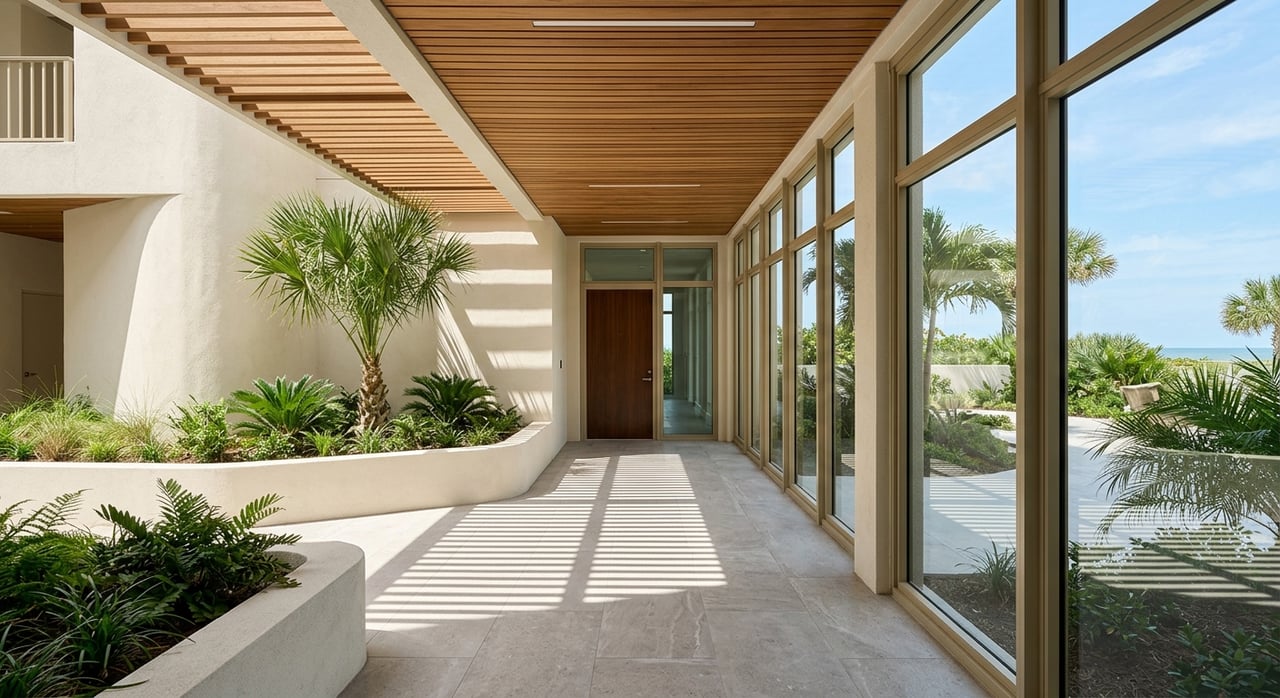
Destin Real Estate Seasonality: Best Times to Buy or Sell
June 18, 2026
June 18, 2026
If you have ever wondered why the Destin market can feel busy one month and far more flexible the next, you are not imagining it. In a coastal market like Destin, the calendar often shapes buyer traffic, listing activity, and negotiating leverage in ways that look different from many inland areas. When you understand those seasonal shifts, you can plan your move with more confidence and less stress. Let’s dive in.
Destin is not just a local housing market. It is also a tourism-driven coastal destination, and that matters when you are buying or selling in ZIP code 32541.
The Destin-Fort Walton Beach tourism market is active year-round, supported by mild weather, warm Gulf waters, events throughout the year, and a large lodging base that includes private condos. Official visitor materials note more than 13,000 rooms across lodging types, from hotels to private condos. That steady visitor activity helps keep real estate interest alive across the calendar.
Weather also plays a role. NOAA climate normals for Destin Fort Walton Airport show average January temperatures around 54 degrees and July around 84 degrees, with average highs near 63 degrees in January and 91 degrees in July. In simple terms, winter is milder here than in many parts of the country, so buyers and second-home shoppers do not disappear when the seasons change.
That said, year-round activity does not mean every month feels the same. In Destin, showing traffic, condo interest, and urgency often rise and fall with travel patterns and beach season.
Recent public market trackers point to a market that gives buyers more room to breathe than a hot seller’s market. As of April and May 2026, the numbers show solid inventory, moderate price pressure, and a pace that is not especially rushed.
Realtor.com’s April 2026 snapshot reported 836 homes for sale in Destin, a median listing price of $652,450, and a median 76 days on market. It also reported homes selling for about 96% of list price and labeled Destin a buyer’s market.
Zillow’s May 2026 snapshot showed 770 homes for sale, a median list price of $666,317, and 69 days to pending. Redfin’s May 2026 page showed a median sale price of $579,653 and 93 days on market over the prior three months.
These platforms use different methods, so the smartest way to read them is as a range rather than a single exact answer. The big takeaway is that buyers generally have options, sellers need to price carefully, and negotiation is still part of the conversation.
If you want to understand seasonality in Destin, start with spring. Public data for the broader Crestview-Fort Walton Beach-Destin metro shows active listings climbing from 3,784 in January 2026 to 4,413 in May 2026.
That spring ramp-up suggests more homes tend to hit the market as the weather warms and the area gets busier. More inventory can be good news for buyers who want selection, but it also means sellers face more competition from nearby listings.
Market speed also tends to improve in spring. In the broader metro, median days on market dropped from 107 in January 2026 to 67.5 in March 2026 after staying above 100 days in late 2025 and in January and February 2026.
For you, that usually means spring can bring more eyes on listings and faster decisions. It can also mean less hesitation from buyers who are already planning travel, second-home visits, or a move before summer.
Destin does not shut down in the cooler months, but the pace often eases compared with spring and summer. The area is still marketed as a year-round destination, and the mild climate supports ongoing activity.
Even so, late fall and winter often feel calmer. There may be fewer casual shoppers and less impulse traffic, which can create more room for thoughtful decisions and stronger negotiation.
For buyers, that can be an advantage. If your top goal is leverage rather than maximum selection, off-peak months may give you more time to compare options and negotiate terms.
For sellers, the slower season can still work well if your home is priced correctly and presented clearly. You may see fewer showings, but the buyers who are looking are often more serious.
Seasonality is usually more noticeable with condos and beach-area homes than with some single-family properties. That is because a large share of demand is tied to vacation use, second-home plans, and resort-style amenities.
Official tourism materials for the area actively promote condo rentals as a core lodging option. In a market where condo living is closely connected to beach access, views, and seasonal travel, buyer interest can rise quickly when people are already in town and thinking about lifestyle.
If you are shopping for a condo, spring can help you see how parking, beach access, traffic flow, and amenity use feel in real time. If you are selling a condo, that same visibility can help your property get more attention when visitors are already experiencing the area.
This does not mean condos only move in peak season. It simply means the timing of travel and tourism can have a stronger effect on condo demand than on some other property types.
If your goal is maximum exposure, late winter through early spring is often the strongest launch window. That timing can position your home in front of buyers before summer schedules fill up and while seasonal traffic is building.
In Destin, this can be especially helpful for coastal homes and condos. More visitors in the area can lead to more showings, more online interest, and more out-of-area buyers who are seeing the market firsthand.
To make the most of that window, preparation matters. Try to have your pricing strategy, photography, and property documents ready before the seasonal rush begins.
Here are a few smart seller priorities:
The best time to buy depends on what matters most to you. In Destin, there is rarely one perfect month for everyone.
If you want the widest selection, spring may be your best window. More listings tend to come online, and it can be easier to compare locations and property types side by side.
If you want more leverage, late fall and winter may be worth a close look. The market can feel less hurried, and current data already points to a buyer-friendly environment with more room to negotiate than in a fast seller’s market.
A simple way to think about it is this:
| Goal | Often the Better Season |
|---|---|
| More choices | Spring |
| More negotiating room | Late fall and winter |
| Better feel for seasonal traffic and beach access | Spring and summer |
| Early launch for sellers | Late winter and early spring |
If you are relocating to the Emerald Coast, seasonality can affect both your search experience and your timing. A spring trip may show you more inventory, but it can also come with more market activity and busier roads in coastal areas.
If you are buying from out of town, especially on a military or job-related timeline, it helps to decide early whether you value selection or leverage more. That one choice can shape your schedule, your expectations, and how quickly you need to act.
For second-home buyers, the same rule applies. If your priority is seeing Destin at its busiest and most active, spring and summer can be useful. If your priority is negotiating more comfortably, the quieter months may offer a better fit.
Seasonality does not control every sale in Destin, but it does shape the rhythm of the market. Spring often brings more listings, more activity, and faster movement, while late fall and winter may create more negotiating room.
The right timing depends on your goals, your property type, and how much flexibility you have. If you are buying or selling in Destin, a clear plan matters more than trying to chase a perfect week on the calendar.
If you want a calm, local read on timing in Destin or anywhere along the Emerald Coast, Tamela Leann Hayes can help you build a practical plan that fits your move.
Stay up to date on the latest real estate trends.


I would love to help you reach your real estate goals. Contact me today to start living your best life, investing in yourself!